How to Choose the Right Roofing Material for Your Climate Apr 21, 2026
Understand Your Local Climate
The first step in choosing the right roofing material is to understand your local climate conditions. Weather patterns can vary significantly between regions, and roofing materials are designed to cope with different environmental stresses. For example, if you live in a hot, sunny area, a material with high solar reflectance, like metal or certain tiles, can help reflect sunlight and reduce energy costs. In contrast, areas with heavy snowfall might benefit from the durability and weight-bearing capabilities of slate or metal roofs.
Evaluate Material Options
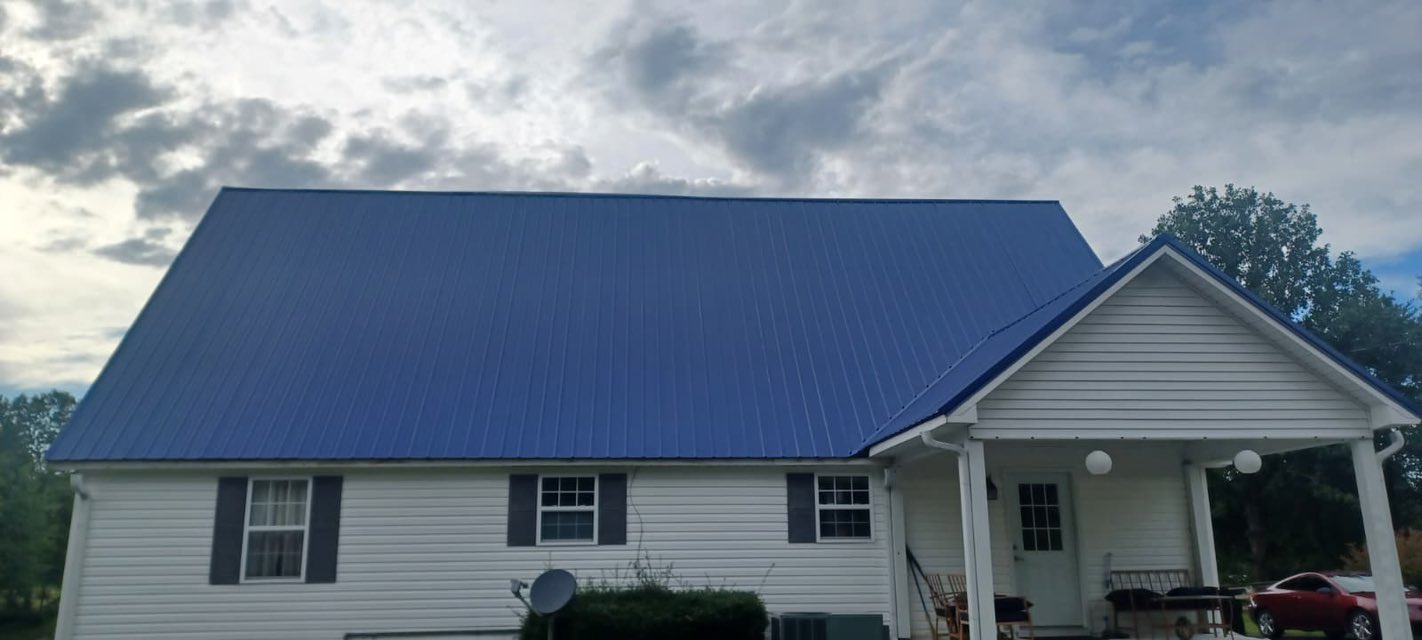
Once you have a grasp on your climate’s demands, consider the variety of materials available. Asphalt shingles are popular and cost-effective, ideal for temperate zones. However, they may not last as long in regions with severe weather changes. Metal roofs, while slightly more expensive upfront, offer excellent durability and are resistant to harsh weather conditions. Tiles, including clay and concrete, provide a beautiful aesthetic and are great for hot climates but may require additional support due to their weight.
Consider Longevity and Maintenance
While upfront costs are an important consideration, the long-term maintenance and lifespan of roofing materials should not be overlooked. Metal and slate offer longevity often surpassing 50 years with minimal maintenance—an important factor in areas with challenging climates. Asphalt shingles typically need replacement every 15-30 years but are easier and less expensive to repair. Consider whether you are willing to commit to regular maintenance or if investing in a longer-lasting, low-maintenance material aligns better with your lifestyle and budget.
Energy Efficiency and Insulation
Modern roofing isn’t just about keeping the weather out. Many materials now offer energy efficiency benefits, reducing utility bills and enhancing indoor comfort. For example, light-colored metal roofs reflect more sunlight and can reduce cooling needs in warm climates. Conversely, materials like wood shingles offer excellent insulation properties, ideal for cold environments. This efficiency can have substantial environmental and financial benefits over the lifespan of your roof.
Aesthetics and Architectural Style
Finally, consider how the material complements your home’s style. While functionality is crucial, curb appeal plays a significant role in determining property value. Materials like slate and tile offer a classic, luxurious look, suitable for historic homes, while metal can provide a sleek, modern aesthetic. Asphalt shingles, available in a variety of colors and textures, can mimic the look of other materials while respecting budget constraints.
In conclusion, selecting the right roofing material is a balance of practicality and personal preference. By thoroughly evaluating your climate, material options, and long-term needs, you can make an informed decision that ensures your roof performs optimally for decades. At Storm Roofing, LLC, we pride ourselves on guiding customers through this critical decision, ensuring they choose materials tailored to their specific environmental and stylistic needs. Investing time in understanding your options now will pay dividends in comfort, savings, and satisfaction for years to come.
/filters:no_upscale()/filters:format(webp)/media/8ca70ace-3126-4890-ae60-2a4a23996247.jpeg)